Paul Relis, author of Out of the Wasteland: Stories from the Environmental Frontier (2015) and a new edition (2025) has had a 55-year career as an environmental pioneer.
He was founding executive director of the Community Environmental Council (CEC) a Santa Barbara, California non-profit. The Council played an instrumental role in the development of recycling and composting in California through its public policy work and pilot recycling programs in the 1970s and 1980s. CEC initiated green building in the Santa Barbara area in the 1980s, established permanent urban gardens throughout the city, and was influential in shaping the Santa Barbara waterfront.
Following his twenty years building the CEC, Paul was appointed by California’s governor in 1991 to oversee the implementation of a California’s law designed to dramatically decrease waste going to landfills from all of the state’s cities and counties. The law established a 50% recycling mandate and led to the development of a massive recycling and composting infrastructure throughout the state. During his time in state government Paul was a U.S. Information Service speaker to Germany and China where he engaged government officials and academics on all aspects of waste management and recycling.
Following his governmental service Relis decided to devote his energies to the development of what he calls, “post-landfill” recycling systems. He joined CR&R Incorporated, an environmental services company to pursue this objective. The company supported Relis in identifying a promising technological path to realize this goal. He spent more than five years scouring technologies from around the world that might be applicable to recycling Southern California waste streams. On a visit to Sweden nearly fifteen years ago he found that their anaerobic digestion systems for managing municipal organic waste and wastewater might be applicable to CR&R’s needs.
After studying Sweden’s systems, CR&R identified technologies from Germany, New Zealand and Portugal to create a hybrid anaerobic system best applicable to Southern California’s organic waste. It took several years to build a design team and several more years to complete what became one of the largest and most technologically advanced anaerobic digester plants in the world. In 2017, after an investment of one hundred million CR&R’s plant went operational. Today it serves more than twenty-five Southern California communities, producing renewable natural gas to power waste and recycling collection fleets along with compost. CR&R has decided to build on the success of this plant with a planned thirty-million expansion scheduled for 2026.
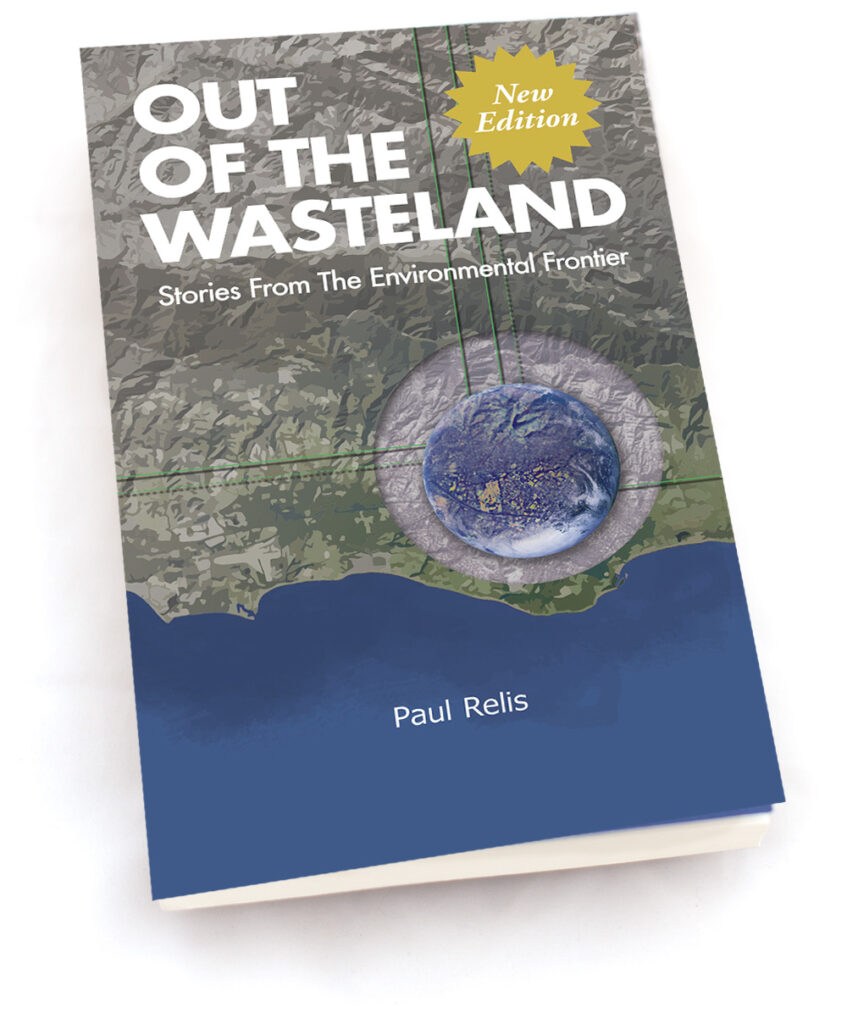
Link to ordering on line Amazon
“Read Out of the Wasteland, and you may find the courage to extend and enrich the lives of your community…What you have and what you once dreamed of may come to seem like one and the same thing.”
Pico Iyer
“There are green shoots appearing all over the planet even as our dependence on fossil fuels remains so seemingly untractable.”
Paul Relis
Other publications and papers by Paul Relis are housed in the Special Collections at the University of California, Santa Barbara.
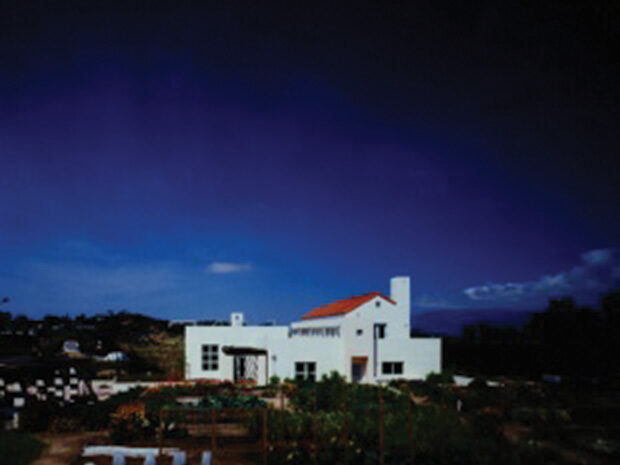
The Gildea Resource Center was built in 1984 as an office/headquarters for the Community Environmental Council. It housed its student intern program and a seminar program that brought, environmental, government and academic leaders to discuss and generate policies and programs focused on waste management. The design process for the Center incorporated LEEDS building criteria years before it came into vogue. Photo courtesy of Brian Cearnal, AIA.
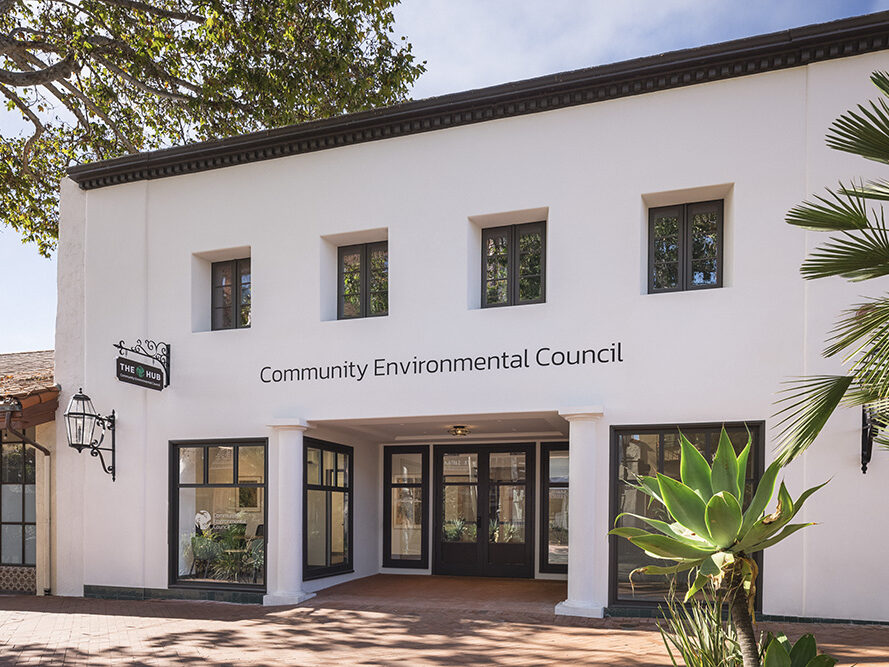
Located in the heart of Santa Barbara’s “theater district,” the HUB continues the Community Environmental Council’s far reaching environmental programs in an urban setting. Photo © Erin Feinblatt
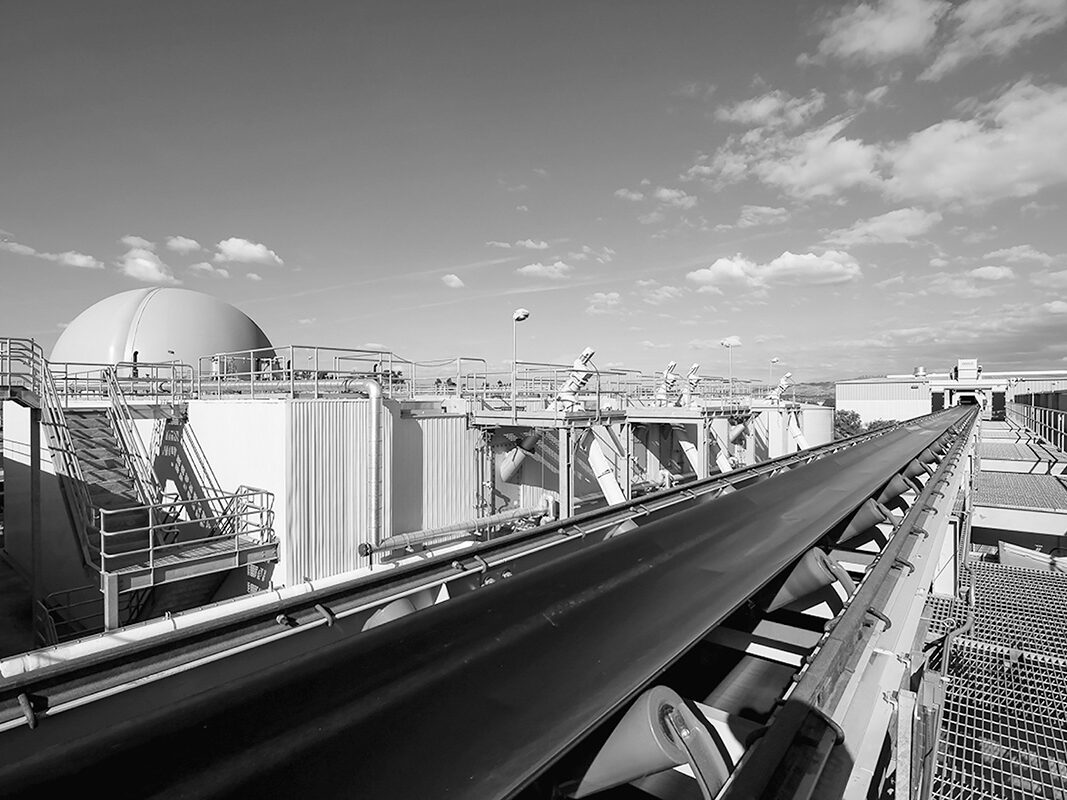
Automated conveyor belt that transports processed green waste to the anaerobic digesters. Photo courtesy of Nick Newton.
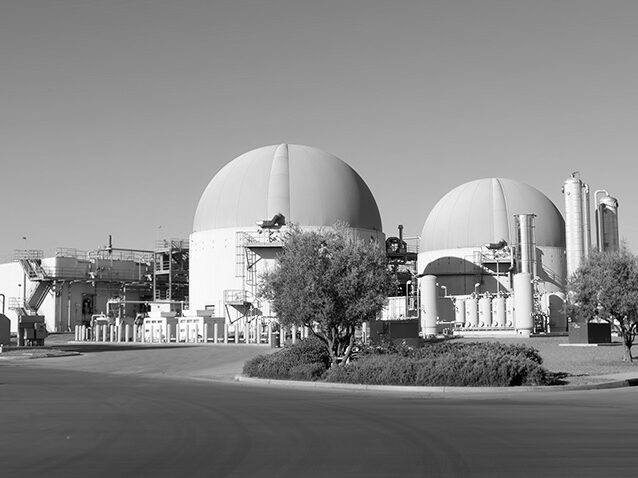
Anaerobic digester gas storage units. Photo courtesy of Nick Newton.
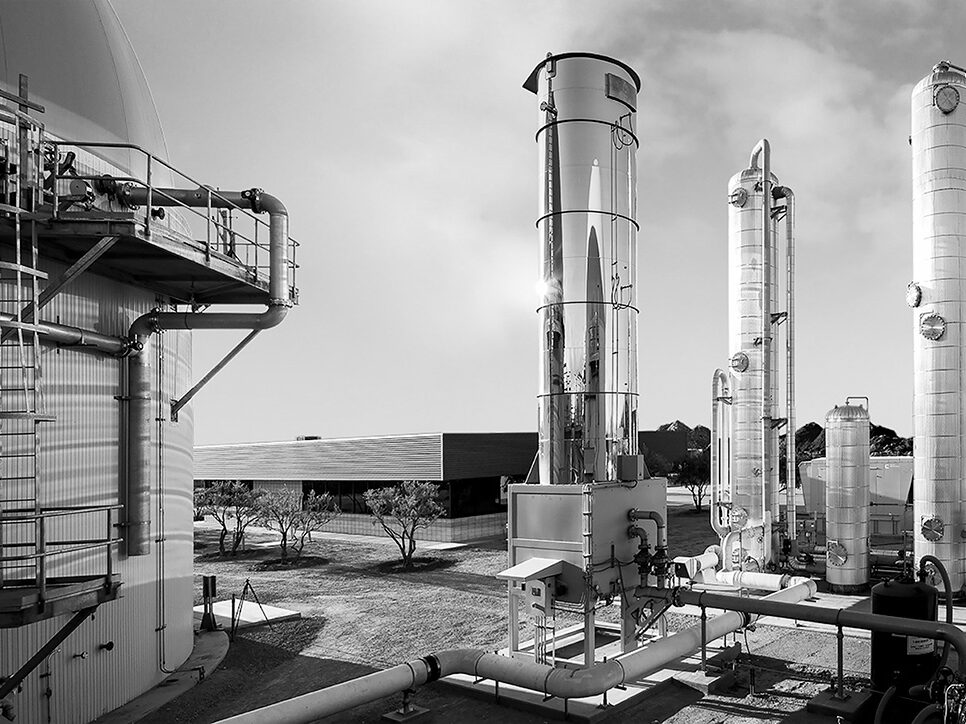
AD gas upgrading system stripping out the CO2 with control building in the background. Photo courtesy of Nick Newton.